
Add Row
Add Element
City Central Marketing
update

[Company Name]

update
Add Element
  • Subscribe
  • Contact Us
  • Website
  • Categories
    • Visibility | SEO
    • Web Design
    • Brand Marketing
    • Reputation Marketing
  • All Posts
  • Visibility | SEO
  • Web Design
  • Brand Marketing
  • Reputation Marketing
12 Minutes Read

User Experience in Local Business Sites: What You’re Missing

Imagine losing nearly nine out of ten potential customers with a single mistake on your business website. According to research, 88% of online consumers are less likely to return after a poor user experience . For local businesses trying to stand out, get found, and build loyalty, a great web experience isn’t optional—it’s an essential element for survival and growth . In this comprehensive guide, you'll uncover the real impact of user experience in local business sites , practical ways to elevate your digital presence, and expert tips to future-proof your business website against costly pitfalls.

Why User Experience in Local Business Sites Cannot Be Ignored


Diverse group discovering impressive content on a laptop, surprised expressions.
  • Did you know that 88% of online consumers are less likely to return to a site after a bad user experience? That’s a staggering loss for any local business website. Learn how boosting user experience is critical for local businesses, small businesses, and business websites alike.

The user experience in local business sites goes beyond aesthetics—it’s central to attracting new customers, retaining existing clients, and ensuring your online presence strengthens, not hinders, your business goals. Small businesses face fierce competition, and often the only difference between choosing you or a competitor is your website experience. Factors like website design , load time , and clear navigation all combine to influence a potential customer's decision.

Statistics don’t lie: Poor UX results in lost sales, low conversion rates, and damaged brand reputation . But the flip side? Investing in your site’s user experience can propel your local business website to the forefront of your digital market, making it easier for your target audience to find, trust, and engage with you. Ignoring UX design in your business website is no longer an option.

How User Experience in Local Business Sites Directly Impacts Conversion Rates

The Psychology Behind Effective UX Design for Local Business Websites

Customers judge a business website in mere seconds. A clean and intuitive interface fosters an engaging experience , signaling professionalism and reliability. In contrast, confusing layouts or slow load times generate frustration and increase bounce rates. Psychological studies show that ease of navigation, trust signals, and pleasing aesthetics drive positive experiences and influence buying decisions for local businesses.

Small business owners should understand that user experience isn’t just about technology; it’s about shaping customer perceptions and emotions. Thoughtful UX design ensures visitors feel welcome, respected, and guided. This leads to deeper engagement, longer site visits, and ultimately, higher conversion rates —all key factors in staying competitive within today’s digital market.

Quantifiable Results: Businesses Winning with Great User Experience

Companies that invest in UX design for their local business websites often report dramatic improvements. For example, streamlined navigation and faster load times directly correlate with more online enquiries, increased bookings, and higher sales. One surveyed business saw conversion rates jump by over 30% after focusing on mobile responsiveness and modern web design.

The bottom line is clear: A single adjustment, such as displaying contact information prominently or decluttering your homepage, can result in measurable growth. These quantifiable outcomes highlight the ROI for prioritizing user experience on business websites , proving it’s not just an industry buzzword, but a vital strategy for local businesses everywhere.


Statistics Comparing Conversion Rates of Local Business Websites Before and After UX Optimization

UX Focus Area

Conversion Rate (Before)

Conversion Rate (After)

Improvement

Mobile Responsiveness

1.8%

4.2%

+133%

Load Time Reduction

2.0%

3.5%

+75%

Clear Contact Information

2.5%

5.8%

+132%

Intuitive Navigation

2.2%

4.0%

+82%


ux design analytics business website conversion rates

Fundamental Elements of User Experience in Local Business Sites

Website Design: The First Impression for Business Websites

In the digital market, website design serves as the very first impression for your local business or small business. A well-crafted design ensures potential customers immediately feel that your business is credible and approachable. Elements like consistent branding, ample white space, and logical structure foster trust and encourage site exploration.

  • Mobile Responsiveness

  • Fast Loading Times

  • Intuitive Navigation

  • Consistent Branding

The most successful business websites prioritize mobile device adaptation and fast load times to accommodate users who search on the go. Intuitive navigation prevents frustration and keeps visitors engaged, while consistent branding assures users they're in the right place. Delivering a strong initial impression is the first critical step toward a positive online experience and lasting customer relationships.

Optimizing Contact Information for Small Businesses and Local Businesses
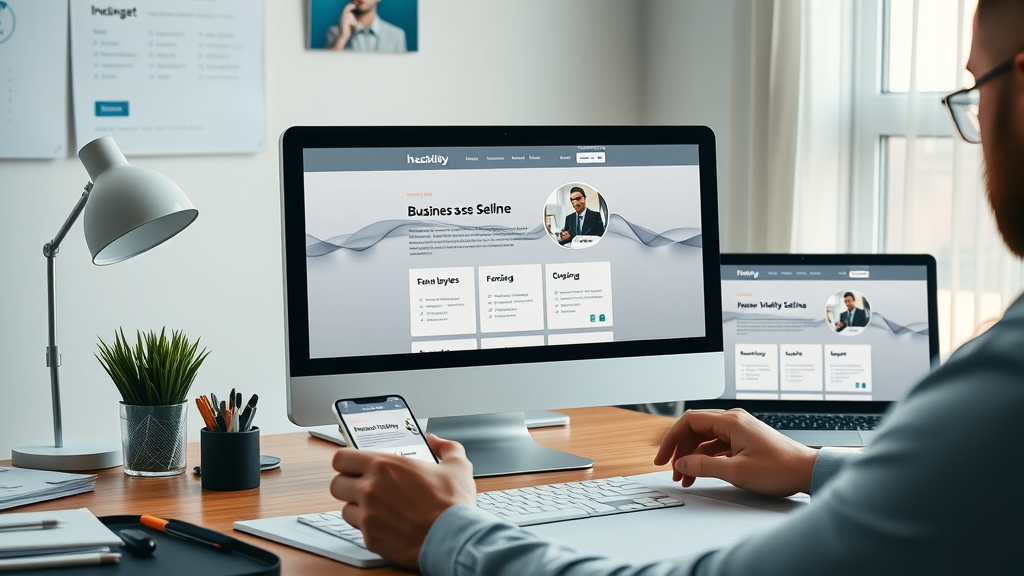


business website design clear contact information mobile responsive

Clear, up-to-date contact information is an essential element for local businesses aiming to foster trust and prompt user action. When customers quickly locate your phone number, email, or physical address, it removes friction and builds credibility. For small businesses, ensuring all contact details are readily visible—especially on mobile devices—is crucial because customers often want to reach out on the spot.

Consider adding click-to-call buttons for mobile users, embedding maps, and integrating contact forms that are simple, direct, and fast. Many potential customers abandon business websites if they can’t find contact information easily, which is why this small UX design tweak has enormous value for local business website engagement and conversion.

Creating Seamless Digital Marketing Experiences

An integrated user experience connects all touchpoints, blending your website, social media , and online advertising into a cohesive whole. This means your website design , branding, and messaging are uniform across every interaction, allowing for easier recognition and greater impact in the digital market.

Successful small businesses harness digital marketing strategies like retargeting, email follow-ups, and social integrations—all coordinated through an optimized website. These efforts craft a seamless journey, encouraging users to move smoothly from discovery to purchase or inquiry, all while strengthening customer experience and loyalty.

The Role of Customer Experience within the User Experience Framework

While user experience focuses on usability and interface, customer experience encompasses the emotional response customers have to all their interactions with your business, both online and offline. For local businesses, weaving customer experience into the UX design results in a sense of care, satisfaction, and delight.

Businesses that consistently provide helpful content, prompt responses, and proactive service create a positive experience that extends far beyond a single transaction. This loyalty translates into repeat business, word-of-mouth referrals, and a competitive edge—making customer experience a critical pillar of modern business websites.

Best Practices for Improving User Experience in Local Business Sites

Conducting User Testing for Local Business Website Optimization


local business website user testing customer feedback digital optimization

The user experience in local business sites should never rely solely on guesswork. Regular user testing —observing real users as they interact with your website—reveals friction points, confusing elements, and missed opportunities. It empowers small businesses to align their digital market strategies with genuine customer needs.

User testing allows for validation: Are visitors getting stuck on certain pages? Is your contact information hard to find on mobile devices? Do users abandon their cart due to complex checkout? Addressing these discoveries leads to actionable improvements that drive measurable growth and conversion rates on business websites.

Leveraging UX Design Tools for Small Businesses

  • Must-Have Plugins and Platforms for Website Design Enhancement

Great UX design doesn’t require a massive budget. Accessibility checkers, wireframing apps, and analytics platforms empower small businesses to improve their online presence. Popular tools include Google Analytics for performance tracking, Hotjar for understanding user behavior, and platforms like WordPress with UX-centered themes and plugins.

These tools provide invaluable insights and easy-to-implement enhancements—from optimizing load time to personalizing content. Leveraging these resources can help business websites punch far above their weight, delivering an engaging experience on par with much larger organizations.

Integrating User Feedback to Refine Local Business Websites

User feedback is a goldmine for continuous UX improvement, especially for local business websites. Directly soliciting opinions through surveys, reviews, and feedback forms identifies both strengths and weaknesses that may not be immediately visible to owners or web designers.

Implementing changes based on this real-world input demonstrates that you value your audience and are committed to a positive experience. Such iterative refinement is a key differentiator for small businesses aiming for exceptional customer experience and long-term loyalty.

SEO and Accessibility: Ensuring Every User Can Find and Use Your Local Business Website

Optimizing your local business website for both search engines and accessibility is non-negotiable in today’s digital market. Well-structured content, properly labeled images, and fast load times help search engines rank your business website while enabling all users—including those using assistive technologies—to navigate with ease.

Taking an inclusive approach doesn’t just widen your potential customer base; it boosts credibility and legal compliance. Businesses who ensure every user can enjoy a positive online experience position themselves for organic growth, increased reach, and a sterling reputation in their community.

How User Experience in Local Business Sites Powers Digital Marketing Success

Aligning Digital Market Strategies with UX Design Principles



local business team ux designer digital marketing strategy collaboration

The synergy between digital marketing and UX design is a game-changer for local businesses. Effective digital market strategies—such as targeted ads, social media campaigns, and email marketing—drive traffic, but it’s the user experience that turns that traffic into leads and customers.

Ensuring consistency in branding, messaging, and functionality across platforms builds trust and fosters a seamless journey for visitors. UX-optimized landing pages, clear calls-to-action, and personalized follow-up sequences are key components that help small businesses maximize the return on their digital marketing investments.

Case Study: A Business Website’s Journey from Bounce to Engagement through UX Improvements

Consider a family-owned bakery whose bounce rates were high and online orders stagnant. After reworking their business website—streamlining navigation, introducing high-quality imagery, and making their order form mobile friendly—their average session duration doubled and online conversions tripled within three months. This transformation showcases how even modest UX improvements can dramatically change the fortunes of local businesses.

"Great UX isn’t just about aesthetics—it’s about making every interaction count."

Common Pitfalls Damaging User Experience on Business Websites

  1. Ignoring Mobile Optimization

  2. Cluttered Website Design

  3. Lack of Clear Calls to Action

  4. Outdated Contact Information

Real-World Examples: Learning from Local Businesses’ UX Mistakes



frustrated user poor business website clutter missed call to action

A plumber’s outdated site with tiny, unreadable text and missing mobile responsiveness cost them dozens of leads monthly. Another small business, a local gym, buried its contact information three pages deep, resulting in frustrated customers and lost memberships. These real-world mistakes underline why optimizing user experience on business websites is critical for capturing and nurturing every potential customer.

Common pitfalls like cluttered web design, sluggish load time, and confusing navigation not only drive users away—they lead to negative reviews and irreparable damage to your online reputation. Proactive improvements can turn these traps into opportunities for meaningful engagement and business growth.

Quick Wins: Simple Changes to Boost User Experience on Local Business Sites

Updating Contact Information for Instant Trust

One of the fastest ways to build trust is to make sure your contact information is accurate and visible. Whether it’s your address, phone number, or office hours, displaying this data up front signals your legitimacy and reliability as a local business.

Regularly reviewing and updating contact info also prevents customer frustration, reduces bounce rates, and enhances your reputation in the local community. For small businesses, it’s a straightforward change with a powerful impact.

Implementing Live Chat and Automated Response Tools

  • Benefits for Customer Experience and Longer User Engagement



business website live chat customer engagement positive user experience

Adding live chat or automated response tools can transform a static website into a dynamic point of connection. Customers get immediate answers and feel more valued, significantly enhancing customer experience and engagement time.

These tools are affordable for most small businesses and can capture leads, close sales, and resolve concerns instantly. Live chat solutions are particularly effective for local business websites where responsiveness sets you apart from competitors.

The Future of User Experience in Local Business Sites

Emerging UX Design Trends for Local Business Websites

As technology evolves, so do user expectations. Minimalist layouts, personalized experiences, and voice-search optimization are on the rise. Features like appointment scheduling, interactive maps, and real-time inventory offer customers even more control and convenience, making business websites an integral part of the overall shopping experience.

Staying ahead means continuously updating your digital presence and keeping a keen eye on what similar businesses do successfully. Adopting these emerging trends helps ensure your local business website remains a destination—not just a directory listing—in your community.

Integrating AI and Personalization for Local Businesses

  • How Small Businesses Can Prepare for the Next Evolution in Business Website Design



ai personalized recommendations business website future ux design

Artificial Intelligence is revolutionizing user experience in local business sites. From chatbots that answer FAQs to AI-driven recommendation engines, small businesses now have access to personalization tools that keep customers engaged and loyal.

To prepare for this next evolution, focus on collecting data ethically, segmenting your customer base, and choosing flexible platforms that support AI features. Embracing these advancements equips your business website to deliver tailored, memorable digital interactions that exceed customer expectations.

People Also Ask: Top Questions About User Experience in Local Business Sites

Why is user experience crucial for local business websites?

User experience is crucial because it shapes the first and lasting impression of your business. A well-designed, easy-to-use website keeps visitors engaged, encourages trust, and turns potential customers into loyal ones. For local businesses, a poor experience can quickly send customers to a competitor.

What UX design mistakes do most small businesses make on their business websites?

Many small businesses neglect mobile optimization, use cluttered layouts, bury essential information, and fail to update contact details. These UX mistakes frustrate users, increase bounce rates, and ultimately hurt conversions. Regular testing and a focus on customer needs can help avoid these common pitfalls.

How does a well-designed user experience drive customer retention for local businesses?

A great user experience fosters customer satisfaction, trust, and loyalty. When visitors find the information they need quickly and enjoy an effortless journey, they’re more likely to return and recommend your business. Consistency and ease-of-use are key drivers of customer retention in any local business website.

What website features do customers expect most on local business sites?

Customers expect mobile-responsive layouts, quick loading times, clear and current contact information, visible calls to action, and intuitive navigation. Extras like live chat, online booking, and product galleries enhance the overall experience and keep users engaged on business websites.

How can digital marketing tie into user experience strategies for business websites?

Digital marketing and user experience are interdependent. Effective campaigns drive visitors to your site, but only a seamless user experience converts them into leads or customers. Integrating UX-focused content, clear landing pages, and retargeting ensures your digital market dollars achieve maximum impact.

Practical actions to answer each PAA question included above

To boost user experience, audit your website on both desktop and mobile devices; declutter pages and simplify navigation; update contact information regularly; implement user testing and gather direct feedback; and integrate digital marketing campaigns with UX goals for holistic growth.

Essential User Experience Tools and Resources for Local Businesses

  • Wireframing Tools

  • User Testing Platforms

  • Accessibility Checkers

  • Performance Analytics

Investing in the right UX tools can propel your business website ahead of the competition. Wireframing tools like Figma or Sketch enable clear early-stage design. User testing services such as UserTesting.com provide invaluable real-world feedback. Accessibility checkers (e.g., WAVE or Axe) help ensure legal compliance, and performance analytics tools (like Google Analytics) aid in fine-tuning every interaction for an engaging experience.

Action Checklist: Elevate User Experience in Local Business Sites

  • Review Mobile Responsiveness

  • Simplify Website Navigation

  • Update and Validate Contact Information

  • Integrate Customer Feedback Regularly

  • Optimize for SEO and Accessibility

  • Track Metrics and Refine Based on Data



business owner checking user experience website checklist local business

Frequently Asked Questions about User Experience in Local Business Sites

How often should a local business website be updated for optimal user experience?

Ideally, review and refresh your local business website every 3–6 months. Trends, technology, and customer expectations shift rapidly. Regular audits keep your user experience current, prevent outdated information, and ensure top performance on all devices.

Can small businesses afford professional UX design for their sites?

Absolutely. Many affordable or even free UX tools exist, and basic improvements (like better navigation or faster load times) can be implemented without hiring a full-time UX designer. For bigger projects, consider partnering with local agencies or freelancers offering starter packages.

Which digital marketing strategies benefit most from improved business website UX?

Paid search, local SEO, and social media campaigns yield higher conversion rates when your website delivers a great user experience. Consistent branding and clear calls to action on landing pages turn digital marketing clicks into paying customers or qualified leads.

Key Takeaways for Improving User Experience in Local Business Sites

  • User experience is a core driver of local business growth

  • Optimizing business websites boosts customer retention

  • Continuous refinement and user feedback are key to success

Start Transforming User Experience in Your Local Business Site Today

  • You’ve Read the Insights—Now Let’s Apply Them. Book Your Free Consultation.

Take the first step—your customers, and your bottom line, will notice the difference!

Enhancing user experience (UX) on local business websites is crucial for attracting and retaining customers. To delve deeper into this topic, consider exploring the following resources:

  • “Improving User Experience for Local Business Websites” ( valorouscircle.com )

This article emphasizes the importance of seamless navigation structures and integrating contact information to enhance user accessibility and satisfaction.

  • “The Impact of User Experience (UX) on Local Business Websites” ( webliftoff.com )

This piece discusses how a well-designed UX can significantly influence customer satisfaction, conversion rates, and brand perception for local businesses.

By exploring these resources, you can gain valuable insights into optimizing your website’s user experience to foster customer loyalty and drive business growth.

Web Design

0 Comments

Write A Comment

*
*
Related Posts All Posts

Affordable Web Design Services That Don’t Skimp Quality

Did you know that 75% of consumers admit to judging a company’s credibility based on its website design? In a digital-first world, your online presence is your storefront. Yet, affordable web design services are often misconstrued as low-value or second-rate. The truth is, today’s best budget-friendly web design companies can launch your business forward—without sacrificing a single pixel of quality.Did you know that 75% of consumers admit to judging a company’s credibility based on its website design? In today’s digital landscape, affordable web design services are not just an option—they’re essential. This article unlocks the compelling power of professional-quality yet affordable web design services and how they can dramatically impact your business’s online presence.What you'll learn: How to spot high-value affordable web design services, key features to look for, comparisons of service tiers, and strategies to ensure value for your investment.Discover How Affordable Web Design Services Are Reshaping Online SuccessWhen it comes to digital marketing and growth, affordable web design services are revolutionizing how small businesses and entrepreneurs reach their audience online. By bridging the gap between budget constraints and professional-grade results, reputable web design service companies empower businesses to have engaging, conversion-ready websites at a fraction of traditional costs. For instance, a local bakery can now compete with national brands by launching a stunning, mobile-friendly website—complete with integrated contact forms and social media feeds—crafted for under $1,000.These affordable web design services focus on value, enabling both startups and established small businesses to build trust and expand their digital footprint without overextending their resources. Unlike outdated or DIY solutions, modern affordable web design companies rely on adaptive layouts, fast performance, and search engine optimization to ensure every dollar spent drives results. Whether you want a custom web solution, a landing page for a campaign, or a fully responsive website design, affordable services now deliver it all, making professional web design accessible to everyone . Why Affordable Web Design Services Matter for Small Business GrowthAffordable Web Design: The Critical Factor for Small Business Online VisibilityAn effective online presence is the great equalizer. Affordable web design services empower small business owners to compete with larger enterprises through professional branding, appealing design, and seamless functionality. High-quality, budget-friendly web design gives small businesses the power to win consumer trust, project authority, and convert casual visitors into loyal customers. Even basic website design services often include responsive layouts, mobile optimization, and essential SEO features that were once reserved for expensive, enterprise-level solutions.Affordable web design services empower small businesses to compete with larger enterprises, build trust, and convert visitors into loyal customers—all without blowing the budget.Cost alone shouldn’t hold a business back. By choosing the right web design company or skilled freelancer, small businesses access tools like custom web solutions, digital marketing integrations, and fast, secure website experiences tailored to their unique needs. This smart investment means more time focusing on delivering value to customers—rather than worrying about high up-front costs and technical hurdles that once put web design out of reach. Key Elements of Outstanding Affordable Web Design ServicesWebsite Design: Balancing Value, Aesthetics, and FunctionalityThe difference between a passable site and a high-converting one lies in the details. Leading affordable web design services strike the perfect balance between cost, design, and performance. They offer visually appealing interfaces without sacrificing usability or speed. For example, the best companies use mobile-responsive designs that look flawless on every device and screen size, boosting both user experience and search engine rankings.Mobile responsiveness and adaptive layoutsSEO-friendly design for higher search engine rankingsFast load times and smooth navigationIntegration of custom website features for unique brandingBut value isn’t just about looks—it’s about results. Modern affordable website design services prioritize site speed, seamless navigation, and compatibility with essential tools like email marketing, lead capture forms, or social media widgets. In many cases, design agencies and skilled web designers will include search engine optimization setup, ensuring your website is poised for visibility right from launch. Every element—from color schemes to custom website features—can be tailored for brand impact, all within your set budget.Types of Affordable Web Design Services Available TodayWeb Design Service Packages: From Templates to Custom Web SolutionsAffordable web design is no longer one-size-fits-all. Today, businesses can select from multiple tiers and approaches, each with its advantages. Template-based design services offer incredibly fast turnaround and are ideal for smaller budgets; pre-designed layouts are quickly customized with your branding, allowing a professional launch in days, not weeks. For those seeking more uniqueness, custom web design enables business owners to work directly with web designers, resulting in a site tailored to their goals and vision.Template-based design services: Speed and cost-effectivenessCustom web design: Tailored solutions by web designersDesign agencies vs. freelance web designers: Pros and consChoosing between a design agency and a freelancer also impacts the service experience. Design agencies offer collective creativity, long-term support, and access to multiple skillsets—from copywriters to coders—under one roof. Freelance web designers , meanwhile, provide personalized attention, flexible pricing, and can produce quick, high-impact results for targeted projects. Reviewing portfolios and understanding support options is crucial in finding the best match for your needs. Top 5 Features of Leading Affordable Website Design ServicesResponsive design for mobile and tabletsRobust search engine optimization featuresProfessional-grade graphics and brandingIntegrated contact forms and landing pagesOngoing support from experienced web design companiesThese features have become industry standards for affordable web design services, enabling small businesses to present a polished, trustworthy digital presence. Responsive design ensures accessibility for all users, while robust SEO tools help websites rank higher on Google and other search engines. Professional branding elements, like tailored graphics and color schemes, project credibility from the very first click. Integrated forms and landing pages drive conversions, and ongoing support means you’re never left stranded post-launch—making sure your site evolves with your business.Assessing Affordable Web Design Companies: What Sets the Best Apart?Evaluating a Web Design Company: Portfolio, Reviews, and Transparent Pricing"A quality affordable web design service is defined not just by its price, but by its impact on your business results." – Expert Web DesignerPast design projects and client success storiesTransparent pricing models and flexible packagesClear communication and dedicated customer supportTop web design companies stand out by showcasing diverse portfolios with real-world business wins and glowing client reviews. Transparent pricing—with no hidden fees—is essential, as is a clear service agreement outlining deliverables. The best design agencies emphasize collaboration and open communication from day one, assigning dedicated project managers, and offering proactive support throughout the web design process. Before choosing a provider, always request examples of similar projects and probe their expertise in your industry or business model. Pricing Breakdown: What to Expect from Affordable Web Design Service PackagesDesign PackageTypical FeaturesPrice RangeBasic Web DesignTemplate, 3-5 pages, contact form, mobile-ready$500 - $1,000Standard DesignCustom features, SEO setup, 5-10 pages$1,000 - $2,500Advanced/Custom SiteE-commerce, integrations, branded visuals$2,500 - $7,500+Understanding the cost structure of affordable web design services helps you plan effectively and avoid sticker shock. The difference in price usually depends on design complexity, customization, and included features like e-commerce, integrated marketing tools, or advanced analytics. As a rule of thumb, the more unique and interactive the experience, the higher the value—and potential conversion rate—for your investment.Hidden Costs in Affordable Web Design Services and How to Avoid ThemScalable pricing vs. hidden fees for add-onsMaintenance and support inclusionsIntellectual property and design ownership clarityWhile most affordable web design companies are transparent, some include hidden costs for “extras” like ongoing maintenance, stock photos, hosting, or future revisions. Always clarify what’s included before signing a contract. A reputable design service will outline post-launch support, ensure you retain intellectual property rights, and provide clear upgrade paths. Prioritize providers offering scalable, modular service packages and avoid those with ambiguous fine print or surprise invoices after project completion. How Affordable Web Design Services Align with Branding and Custom Website NeedsCustom Website Design Service: Elevating Brand Identity on a BudgetBenefits of unique branding elements in affordable packagesCommon misconceptions about cost vs. quality in website design servicesA common myth is that affordable web design services yield generic or uninspired websites. In reality, many leading design agencies and freelancers specialize in cost-effective custom web solutions —from unique branding assets to advanced features such as booking systems or membership areas. These design services can seamlessly translate small business identity into visual storytelling, ensuring your brand stands out in a crowded digital space.Even on a limited budget, you benefit from expert recommendations on color palettes, typography, and images that reflect your big-picture vision. Partnering with an experienced web design company means you don’t have to compromise between affordability and impact; you can enjoy a website design that is both memorable and results-oriented.Case Studies: Success Stories Using Affordable Web Design Company ServicesLocal retailer increases sales after affordable website redesignNonprofit organization expands reach through web design agency partnershipFreelancer grows client base with optimized small business website designThese real-world examples highlight the transformative power of affordable web design services. A neighborhood shop saw its online sales triple after a professional redesign for under $1,200, while a nonprofit reached hundreds of new donors thanks to a search-engine-optimized, custom website launched on a shoestring budget. Solopreneurs, too, leverage skilled freelancers and affordable agencies to create sleek portfolios and landing pages that attract new clients daily.Web Design Agencies vs. Freelancers: Which Affordable Option Is Best for You?Agencies: Broader expertise, long-term support, collective creativityFreelancers: Personalized attention, faster turnaround, cost flexibilityWeb design agencies offer access to multidisciplinary teams, ensuring every stage—from discovery to launch—benefits from specialist input. This approach is great for larger-scale projects or businesses anticipating future growth. By contrast, freelance web designers are perfect for startups needing personalized solutions and quick delivery at competitive prices. Consider your timeline, required expertise, and budget flexibility before deciding; often, the right partner is the one who best understands your business’s specific needs. Essential Questions to Ask Before Hiring an Affordable Web Design ServiceWhat is the process and timeline for delivery?How customizable is the design service?Are revisions, hosting, and support included in the package?How do you address mobile responsiveness and SEO ranking?What intellectual property rights do I have to the final product?Asking the right questions safeguards your investment and sets clear expectations. Be sure to clarify the web design process, expected milestones, and post-launch support. Determine whether your package covers hosting, security updates, and updates for mobile devices and search engines. Finally, confirm intellectual property ownership so you’re free to expand or modify your website long after launch.Comprehensive List: Best Affordable Web Design Services for Small BusinessTop web design companies with affordable packagesLeading freelance web designers for cost-conscious projectsWeb design agencies specializing in small business solutionsAffordable Website Design Services—How to Choose the Right FitCompare portfolios and price rangesCheck client testimonials and service guaranteesPrioritize design companies with proven expertise in your industryNever rush the vetting process. Study portfolios to gauge style and versatility, read independent reviews, and demand transparent service guarantees. Seek out design agencies or freelancers who demonstrate expertise within your niche—from brick-and-mortar retail to SaaS or non-profit. The perfect affordable web design partner puts your success front-and-center at every step, ensuring maximum ROI for every dollar spent.Frequently Asked Questions about Affordable Web Design ServicesWhat is a reasonable price for website design?A reasonable price for website design can range from $500 to $2,500 for most small business sites, depending on the complexity and features required. Custom projects or e-commerce sites may cost more.How much does it cost to pay someone to design a website?Paying someone to design a website typically costs between $1,000 and $7,500, depending on designer experience, project scope, and included design services.How much to pay for website design service?Web designers commonly charge between $500 for basic sites and upwards of $10,000 for complex and custom web projects. Pricing is affected by the number of pages, features, and level of customization.Key Takeaways and Best Practices When Choosing Affordable Web Design ServicesBalance price, features, and experience for maximum valueVerify expertise in web design, SEO, and responsivenessAsk for transparent pricing and clear contracts"Affordability should never mean compromise—choose affordable web design services that deliver professional quality and growth-ready results."Ready to Launch the Perfect Website? Lets' Talk About Affordable Web Design Services That Drive Results.Take the next step toward high-impact online success with affordable web design services tailored for small business owners and entrepreneurs.

Small Business Website Development That Works Now

Imagine doubling your business revenue in just three years—70% of small businesses with a professional business website achieve exactly that. In today's fiercely competitive digital world, small business website development is not just a marketing necessity but a proven growth catalyst. If you're seeking to boost your sales, attract more customers, and build real credibility online, this guide will show you how to turn your business website into your most valuable asset. Keep reading to uncover what sets apart high-performing small business websites and how you can launch yours—faster and smarter than your competitors.Unveiling the Real Impact of Small Business Website Development Did you know that 70% of small businesses with a professional business website double their revenue within three years? Explore how strategic small business website development can redefine your company's growth trajectory.What You'll Discover in This Guide to Small Business Website DevelopmentPractical steps to create a web presence that convertsSelecting the ideal website builder or site builderEssential site design features for small businessesNavigating costs and investment in professional web designMaximizing ROI for your business web strategyDeveloping a small business website is about far more than aesthetics. It's an engine for growth—a platform that can transform curious visitors into loyal customers. By embracing data-backed web design, leveraging top-notch site builders, and understanding the vital features your customers demand, you empower your company to seize real digital opportunities. Success begins with strategic planning and knowing which investments lead to measurable outcomes.In the following sections, you'll gain a clear roadmap covering essential steps, cost breakdowns, and battle-tested methods to ensure your business website stands out online. Whether you want to manage your own site using a popular website builder or work with professional web designers , you'll find guidance, practical tips, and real-world examples you can trust.Why Small Business Website Development Matters NowThe last few years have seen a seismic shift in consumer behavior, making small business website development more essential than ever. Customers expect seamless online experiences—they judge your credibility, reliability, and professionalism from your web presence. A well-crafted business website is now the foundation for sales, branding, and connection in any industry.Businesses without a modern, optimized website often miss out on local searches, high-intent leads, and crucial online exposure. With affordable site builder platforms and cutting-edge web design trends, today's small businesses can compete on a level playing field—not just with compelling products or services but with digital excellence, too.The Digital Landscape: Modern Site Builder and Website Design for Small BusinessesEssential web design trendsWhy a customized business website accelerates small business growthThe role of responsive and mobile-friendly website design"A well-designed small business website is no longer optional — it’s vital for credibility and trust in 2024." Modern site builders and template-driven platforms have revolutionized small business website development by making it accessible and budget-friendly. However, true differentiation comes from customized business websites —tailored to embody your brand and optimized for mobile, making your products or services available to customers wherever they are. Embracing contemporary design features, intuitive navigation, and mobile responsiveness delivers exceptional user experience , which is pivotal for retention and conversions.Responsive design isn't just a nice-to-have; it's necessary. With over half of all online traffic now originating from mobile devices, Google and other search engines reward mobile-friendly site design with higher rankings and better exposure. Businesses that harness these web design and development best practices build lasting trust, drive more qualified leads, and sustain digital growth even in competitive markets.Core Elements of Winning Small Business Website DevelopmentA successful small business website masterfully balances clear messaging, appealing design, and technical excellence. The process begins with setting strategic goals for your online presence, understanding your ideal customers, and selecting the right site builder or platform. Here's how you can create a high-converting website from the ground up:Step-By-Step: How to Create a Business Website That ConvertsDefining your business website goals and target audienceChoosing the best site builder or website builder platformCrafting an engaging website design with professional web designersIntegrating contact forms, business information, and user-friendly navigationOptimizing for speed, SEO, and mobile usage Begin with your objectives. Is your priority lead generation, ecommerce, service bookings, or credibility? Tailor every aspect of your business web to these aims. Next, select a site builder or website builder that aligns with your needs—look for solutions offering drag-and-drop editors, SEO tools, reliable hosting, and scalable options for future growth. Invest in professional web design where possible, or choose high-quality templates and branding assets for a more affordable route.Critical steps include integrating accurate business information, calls-to-action, and user-friendly navigation. Make sure your site design is visually consistent and facilitates the journey from landing page to conversion. Top-performing small businesses routinely audit site speed, SEO readiness, and mobile optimization, ensuring their web presence remains fast, accessible, and attractive to both users and search engines.Choosing the Right Website Builder for Small BusinessesTop website builder options for small business web successComparing ease of use, design services, and pricingComparison of Leading Website Builder and Site Builder Platforms for Small BusinessesPlatformFeaturesPricingProsConsWixDrag-and-drop, app marketplace, SEO tools$16-$45/monthUser-friendly, customizable, fast setupSome advanced features limited to premium tiersSquarespaceBeautiful templates, ecommerce, blogging$16-$54/monthExcellent aesthetics, solid supportLearning curve for full customizationShopifyEcommerce-first, scalable, payment integrations$39-$399/monthBest for online store features, 24/7 supportNot ideal for simple sites, higher costWordPress.comContent-rich, plugins, fully custom$4-$45/monthMost flexible, huge plugin ecosystemRequires maintenance, steeper learning curveChoosing the right website builder impacts your day-to-day management and long-term growth. Compare core features like responsive templates, built-in SEO and analytics, ecommerce, and customer support. Some platforms offer end-to-end design services with professional guidance, while others cater to the hands-on site builder approach with robust DIY tools.Web Design Essentials for Effective Small Business Website DevelopmentTo maximize the return on your small business website development investment, follow web design best practices proven to drive engagement and sales. The site's architecture should balance your brand’s personality with conversion-oriented layouts, featuring intuitive menus, visually compelling calls to action, and interactive elements that build trust.High-performing small business websites include must-have features—responsive design for mobile optimization, fast loading speeds, integrated SEO, easy navigation, and visible contact points. These essentials make your business web accessible, search engine-friendly, and ready to convert visitors into leads or customers.Site Design Best Practices for Your Business WebsiteHow to balance branding and conversion-focused layoutsMust-have features for high-performing small business sites"For small businesses, a strategic web design is an investment that pays dividends in customer trust and conversions." Effective site design means finding the sweet spot—a visual identity that's memorable and distinct, yet easy to navigate. Prioritize clean layouts, consistent use of colors and fonts, and feature your unique selling points front and center. Conversion-focused design places important information—such as contact details, reviews, and offers—above the fold, making actions effortless for the visitor.Essential features for high-performing small business sites include prominent CTAs, interactive contact forms, social proof (testimonials or reviews), and logical content hierarchy. Well-deployed site design creates a seamless experience across devices, helping your brand appear both approachable and authoritative.Partnering with Professional Web Designers and Design AgenciesFor many business owners, working with professional web designers or design agencies delivers unmatched quality, efficiency, and return on investment. These design companies bring a wealth of expertise in branding, UX/UI, and scalable digital strategy—enabling you to focus on your core operations.Comparing in-house DIY builds to outsourced projects, consider your available time, budget, and the degree of customization you require. Professional agencies offer strategic project scoping, ongoing maintenance, and advanced integrations (such as booking tools or CRM systems), making them ideal for ambitious growth goals.In-House vs. Outsourced Website Build: Which Suits Small Businesses Best?Key benefits of using experienced design companies or design agenciesHow to evaluate professional web design servicesThe decision to design in-house or outsource to a design agency depends on your resources and growth ambitions. Partnering with seasoned experts ensures a future-proof website build , from visual storytelling to conversion optimization. Evaluate agencies based on portfolios, client feedback, and alignment with your brand’s mission.Design companies provide valuable perspective and a wide toolset—from custom photography to advanced SEO tools and digital marketing campaigns. Their holistic approach takes into account current best practices, accessibility standards, and industry-specific nuances.Maximizing Value from Web Design ServicesNegotiating scope and deliverables for your small business websiteUnderstanding typical costs and packages for business web projectsSample Pricing Breakdown for Professional Web Design ServicesSite TypeComplexityIncluded FeaturesApproximate CostStarter (Landing Page)LowSingle page, contact form, basic SEO$1,000 - $2,500Standard BusinessMedium5-10 pages, forms, blog, SEO, mobile$2,500 - $7,500Ecommerce/AdvancedHighStorefront, cart, advanced plugins, analytics$7,500 - $15,000+ To maximize value, clearly define the website's objectives, features, and must-have integrations. Negotiate scope, delivery timelines, and post-launch support up front. Understand that even premium-priced business web builds can pay off quickly through increased sales, improved customer retention, and enhanced online presence.DIY Small Business Website Development: Step-By-Step GuideMany small businesses successfully launch their own business websites using top site builder platforms. This approach is perfect for tight budgets or business owners who want hands-on control. Modern builders feature intuitive drag-and-drop editors, pre-optimized templates, and integrations with marketing tools—meaning anyone can now create a website with confidence.Follow these DIY steps to build your online foundation and position your brand for growth:How to Create a Website for Your Small Business Using a Site BuilderAssessing your needs: business website goals and essential featuresSelecting templates and customizing your site designAdding ecommerce or booking features for service-led small businessesStart with clear goals. Do you need to sell online, book appointments, or educate your audience? Choose a site builder platform with features that fit these needs. Next, select a template that fits your brand vibe and customize content—logo, messaging, photos, and calls-to-action—for authenticity. For businesses centered on selling products or services, enable ecommerce or booking modules to streamline conversion and scheduling.Top website builder providers like Wix, Squarespace, and Shopify offer libraries of site templates , robust apps, and even free web plans for basic needs. Test the user experience on desktop and mobile—if it's intuitive and visually appealing, you're on the right track toward launching a winning site.Tips for Building an Effective Small Business Website Builder ExperienceMaximizing user experience with drag-and-drop buildersIntegrating third-party tools: marketing, analytics, and emailLeverage intuitive drag-and-drop editors for rapid, error-free builds. Preview changes across devices, streamline menus, and reduce clutter for an improved user experience . Most platforms offer app marketplaces—take advantage of email marketing, chatbots, analytics, and social media integrations to broaden your online presence and automate routine marketing.As you fine-tune your site design , stay consistent—brand colors, font choices, and imagery matter for credibility. Test features like forms, bookings, and checkout for ease of use. Many builders include onboarding wizards and seo tools to help small businesses optimize for search engines right out of the gate.Cost Breakdown: Investment Required for Small Business Website DevelopmentBudget is a core consideration for any small business website development project. Costs vary widely based on size, platform, and complexity. Deciding between a free web builder plan, DIY upgrade, or investing in a professional web design service directly impacts up-front costs and long-term support.The main drivers of website build costs are platform fees, template design options, number of pages, ecommerce requirements, and ongoing maintenance (support, updates, advanced features). Prioritize business goals and customer needs to find the right balance of spending and expected ROI.What Influences the Total Website Build Cost?Platform fees, website design complexity, and ongoing supportBudgeting for professional web design services vs. DIYApproximate Costs for Website Builder Plans, Site Builder Tools, and Custom Web Design AgenciesSolutionSetup CostOngoing FeesBest ForBasic Website Builder (Wix, Weebly)$0 - $300$16 - $25/moSimple business sites/startupsStandard DIY Builder (Squarespace, WordPress.com)$200 - $800$16 - $54/moGrowing businesses, advanced site designProfessional Web Design Agency$2,500 - $10,000+$50 - $300/mo for support/hostingCustom features, growth-focused businesses"Invest thoughtfully in your small business website development—it’s your most powerful digital asset."Remember: quality small business website development pays off quickly. Even if you start small, prioritize features with the highest impact—responsive design, fast load times, and a trustworthy brand presence—then add complexity as your business grows.Essential Features for High-Performing Small Business WebsitesResponsive site design for optimal mobile functionalityIntuitive navigation and modern web design aestheticsFast loading times, SEO, and security essentialsSocial proof: testimonials, reviews, and trust factors The must-haves for a thriving business web presence include a mobile-friendly interface, clean navigational menus, quick loading speeds, and robust security (SSL certificates). Include authentic testimonials, clear contact information, and trust badges to reassure site visitors. Keeping your site design current with industry trends and optimizing on-page SEO dramatically enhances exposure in local searches and competitive markets.Proactively gather client reviews, display certifications, and highlight your business's story. These simple steps foster trust and drive more conversions for local and online sales. Partnering with skilled web designers or using advanced website builder features can simplify adding these elements, keeping your small business website both beautiful and functional.Online Presence: Marketing Your Small Business Website After LaunchLaunching your business website is just the beginning. To maximize results, implement ongoing marketing and SEO strategies. Focus on local SEO, Google My Business, and digital channels like email marketing and social media. An active online presence increases brand visibility, brings in higher-quality traffic, and accelerates business growth.Use analytics and user feedback to optimize flows, test calls-to-action, and measure results—ensuring a cycle of continuous improvement. Stay agile by integrating new digital marketing tools and tactics tailored to your target audience and growth objectives.Leveraging Design Services and SEO for Better Online VisibilityOn-page optimization for business web growthDigital marketing strategies for small businessesIntegrating Google My Business and local listings Tap into expert design services or use integrated seo tools to fine-tune your site post-launch. On-page SEO—fast load speed, mobile optimization, targeted keywords, and well-structured content—boosts rankings and attracts the right prospects. Register your business with Google My Business and industry directories to enhance local visibility.Successful websites maintain a rhythm of content updates, blog posts, promotions, and customer engagement through email and social media . Consider digital marketing campaigns or PPC ads to amplify reach, particularly during key sales seasons or product launches.Continuous Improvement with User Feedback and AnalyticsTracking website builder performance with analyticsA/B testing changes to boost conversionsGrowth-driven small business website development means monitoring performance, acting on user feedback, and experimenting with site changes. Use Google Analytics, heatmaps, and session recordings to identify improvement areas. Simple tweaks—like adjusting CTAs, messaging, or navigation—can yield big gains in engagement and conversions when tested methodically.Pair this data-centric mindset with ongoing updates and feature enhancements, such as adding new payment options, improving booking workflows, or launching targeted landing pages. Your website should always evolve alongside your business goals.People Also Ask: Small Business Website Development Q&AHow much does it cost to have a website built for a small business?The investment in professional web design for small businesses ranges from $1,000 to $10,000+. Influencing factors include the site builder platform, design agencies' expertise, custom features required, and whether you use a DIY website builder or hire a professional web designer.How do I build a website for my small business?For most small businesses, using a reputable site builder or website builder is the quickest route: select a plan, customize a template, add essential pages, and optimize for SEO. For advanced functionality, business owners may consult with design companies or agencies specializing in small business web projects.Is it worth making a website for a small business?Absolutely. A modern business website establishes credibility, increases local and online visibility, and can directly drive new customer acquisition and sales for small businesses. How much does it cost to pay someone to design a website?Hiring a professional to design a business website costs between $2,000 and $10,000+, depending on complexity, design agencies' experience, and unique requirements. Less complex sites or those built with site builder tools can cost less.Expert FAQs on Small Business Website DevelopmentWhich website builder is best for small businesses in 2024? Popular choices include Wix, Squarespace, Shopify (for ecommerce), and WordPress.com. The best option depends on your design skills, feature needs, and budget.What essential content does every small business website need? Must-haves: business overview, products/services, strong images, testimonials, contact forms, location, and FAQs.How long does it take to complete a professional website build? Basic sites can launch in 2–4 weeks; complex, custom projects may take 2–3 months depending on revision cycles and feature requests.What mistakes should small businesses avoid with website design? Skipping mobile optimization, unclear navigation, slow loading speeds, outdated branding, and missing CTAs are all common pitfalls.Can I migrate my existing site to a new site builder? Yes, most platforms offer migration services or guides to help transfer your content, though some manual adjustments may be required. Update See our hands-on comparison: Wix, Squarespace, Shopify, and more, highlighting ease of use, templates, SEO tools, and best picks for small businesses.Real Results: Small Business Website Development Success Stories Mini-case studies of successful business website launchesImpact metrics: increased leads, sales, and brand awarenessCase One: A downtown retailer launched a new mobile-friendly site with local SEO and social proof, resulting in a 120% surge in online inquiries within three months. Case Two: A service business upgraded their web design and added real-time booking, leading to a 75% increase in monthly appointments and a boost in five-star reviews. Case Three: A local cafe revived their brand with a modern site design and integrated email marketing, tripling their newsletter signups and improving customer retention.These stories prove what’s possible with the right small business website development—measurable growth, stronger branding, and long-term digital success.Ready to Accelerate Your Growth with Proven Small Business Website Development?Have 20 minutes? That’s all we need to help you get unstuck. Schedule a quick chat.Take action now: Invest in your business’s future—start your website build or schedule a free strategy session and watch your small business grow!To further enhance your understanding of small business website development, consider exploring the following resources:“10 Things You Need to Know to Build a Small Business Website” : This article provides strategic insights into creating an effective online presence, covering essential elements like defining business goals, selecting the right platform, and implementing SEO best practices. ( techradar.com )“10 Strategies for Effective Small Business Website Development” : This resource outlines practical steps to enhance your website’s performance, including mobile responsiveness, user-friendly navigation, and content optimization. ( webmarkhq.com )By delving into these articles, you’ll gain valuable insights and actionable strategies to develop a high-performing website that drives growth and success for your small business.

User Experience in Local Business Websites: Boost Engagement

Did you know that optimizing user experience in local business websites can lead to over a 400% increase in conversion rates? In today’s digital world, a seamless user journey is no longer a luxury for small and local businesses—it’s a necessity. This article will arm you with actionable insights, expert-backed strategies, and the latest UX design tricks to transform your business website into a conversion machine. Whether you’re a local entrepreneur, web designer, or a digital marketer, you’re about to discover what truly works for driving engagement in your online presence.Did You Know? Exceptional User Experience in Local Business Websites Can Increase Conversions by Over 400%When it comes to capturing leads and turning visitors into loyal customers, user experience in local business websites is the secret weapon. Studies have revealed that well-designed UX can skyrocket conversion rates, sometimes by more than 400%. This means that by focusing on core elements like responsive design, fast page load, social proof, and a welcoming interface, local businesses can dramatically boost their bottom line.Consider a small business florist who upgrades their website to feature intuitive navigation, quick checkout, and engaging user feedback widgets. Within months, website metrics reveal a surge in contact form submissions and a steep decline in bounce rates, directly tied to improvements in the site’s UX design . This transformation isn’t reserved for big brands—any local business can implement these foundational changes for immediate gains in customer experience and ROI.Key Concepts You'll Gain from User Experience in Local Business WebsitesUnderstand the core elements of user experience in local business websitesHow effective UX design drives engagement on business websitesBest practices for web design in small business and local business website contextsTools and strategies to evaluate and improve user experience and customer experienceThe impact of responsive design, white space, and fast page load on local customer loyalty The Critical Role of User Experience in Local Business Websites"88% of online consumers are less likely to return to a site after a bad user experience." — Gomez ReportThe user experience in local business websites forms the backbone of effective digital marketing. If a visitor lands on your business website and finds it confusing or slow, the chances of them returning are slim. This not only affects immediate sales but also long-term loyalty and search engine rankings. Local businesses rely heavily on their online presence to attract foot traffic, convert leads, and build trust.A positive user experience goes beyond looking pretty. It entails intuitive navigation, readable content, and fast page loads that together create a seamless journey. With increased mobile device usage, a mobile-optimized interface is essential. Optimizing for these factors keeps bounce rates low and encourages users to engage with your brand further—whether by making a booking, requesting a quote, or leaving a review.Ultimately, your website’s UX directly impacts your reputation in the local community. High-performing, customer-friendly sites show that you care about the customer experience. Investing in UX design is an investment in your brand's credibility, profitability, and future growth. Defining User Experience in Local Business WebsitesSo, what exactly makes up the user experience in local business websites ? UX encompasses every interaction a customer has with your site—from the first impression to the final click. It’s everything your visitors see, feel, and do while trying to achieve their goals, like finding information or making a purchase. Unlike global e-commerce giants, local business websites often need to blend their digital presence with a personalized, community-driven feel, where trust and usability are paramount.The nuts and bolts of UX design for a business website include navigation structure, readable text, quick accessibility, and clear calls-to-action (CTAs). Local customers are looking for fast answers—store hours, directions, contact details, and service information. Your website should make it effortless for visitors to find what they need, thereby increasing the likelihood of a conversion and positive user engagement.Understanding Customer Experience in Local Business Website ContextsThe customer experience in a local business website goes hand-in-hand with UX. It’s not only about ease of use—it’s about making every visitor feel recognized and valued. Local customers appreciate personalized touches such as location-specific offers, testimonials from community members, and features that highlight your role in the neighborhood.One way to enhance the customer experience is through live chat, interactive maps, or simple appointment booking tools. These not only foster a sense of connection but also demonstrate a commitment to convenience—making your website an extension of your in-person service. When businesses invest in both UX and customer experience, they foster trust and encourage word-of-mouth recommendations, a key asset for any small business.Top Elements of UX Design in Business Websites for Local and Small BusinessesIntuitive navigation & clear CTAsConsistent branding and messagingAccessible content structureEffective use of white spaceFast page load timesResponsive design for mobile usersComparison Table: Top User Experience Features in Local Business Websites vs. National BrandsUX FeatureLocal Business WebsitesNational Brand WebsitesPersonalized ContentHigh – Community-focused, local testimonials, geo-targetedMedium – Broad segmentation, less personal touchNavigationSimple, straightforward, fewer menu itemsComplex, multi-level megamenusContact AccessibilityEmphasized: phone, maps, forms always visibleStandard, often buried in footerLoad SpeedPrioritized, lean code, small page sizesVariable, sometimes heavy assetsSocial ProofLocal reviews, trust badgesBrand endorsements, large-scale reviewsUser Experience Strategies Tailored to Local Business WebsitesLocal business websites have unique needs that differ from national brands or e-commerce giants. Establishing trust, driving in-person visits, and fostering community loyalty require UX design tactics that resonate locally. Incorporate features like local events, personalized messaging, and geo-targeted calls-to-action for immediate relevance.Another key to UX success is prioritizing ease of navigation. Clear menus, visible CTAs, and straightforward contact options make it simple for visitors to find information about your products, services, and hours of operation. Integrate warm, welcoming imagery that reflects your business’s identity, building a seamless bridge between digital and real-world interaction.Regularly updating your web content to highlight seasonal promotions or share recent community involvement emphasizes your investment in local customers' needs. The more your business website feels like a trusted extension of your physical store, the more effective your user experience strategies will be.Incorporating Social Proof and Customer ReviewsSocial proof is essential for boosting credibility and driving engagement on any business website , especially at the local level. Featuring customer reviews, testimonials, and trust badges assures new visitors that people in their own community have had positive experiences. This approach not only increases trust but also encourages hesitant users to become customers.Go beyond static reviews by highlighting customer stories and photos. Integration with review platforms like Google, Yelp, or Facebook allows real-time feedback to display, giving your business added authenticity and transparency. Making social proof visible can directly impact conversion rates by reducing doubts and elevating the overall customer experience.Optimizing Responsive Design for Local Business Website VisitorsWith over half of web traffic now coming from mobile devices, responsive design is a must-have for local business websites. Ensuring your site adjusts smoothly to all screen sizes—smartphone, tablet, and desktop—guarantees a consistent experience and improves engagement. Responsive web design also signals to search engines that your site is modern and accessible, potentially boosting search engine rankings.Review your website on various devices to identify pain points. Is the text easy to read? Are CTAs large enough to tap with a finger? Do images scale gracefully? Every aspect must cater to a diverse and increasingly mobile audience. Fast-loading and mobile-friendly design not only attracts but retains visitors, leading directly to growth in leads and customers for small businesses. Effective Web Design Principles for Small Businesses and Local Business Websites"Design is not just what it looks like and feels like. Design is how it works." – Steve JobsEffective web design for small businesses blends aesthetics, usability, and brand personality. Start by maintaining consistent branding: colors, typography, and messaging should match your offline presence to reinforce recognition. Organizing your content in clear, logical hierarchies makes it easier for visitors to find answers, contact you, or make a purchase.Avoid information overload. Use concise copy, bullet points, and visuals to break up complex ideas. Visual cues, such as arrows or contrasting buttons, guide users naturally through your most important pages. Remember, a simple and intuitive interface supports both the business website’s objectives and the needs of your audience.Don’t underestimate the power of web accessibility. Ensure your color contrasts work for all, text sizes adjust legibly, and alt tags provide information for screen readers. By championing inclusivity, you broaden your local reach and foster a more inclusive customer experience. Enhancing User Engagement Through Strategic Business Website FeaturesTo truly elevate engagement on local business websites , strategically implement features designed for interaction. Interactive maps, event calendars, and instant messaging widgets help visitors connect with you directly and conveniently. Embed video introductions or product demos to personalize your service in a way static images can't.Loyalty programs, newsletter sign-ups, and exclusive member areas encourage repeat visits and deeper relationships. Each feature should serve a clear purpose and be easily accessible from anywhere on your site, keeping the browsing experience seamless and enjoyable.Maximizing the Impact of White Space in User ExperienceWhite space—often called negative space—is a silent hero in UX design. By intentionally leaving empty areas around content, images, and buttons, you reduce visual clutter and increase readability. For busy local and small business websites, white space makes the site feel modern and welcoming, rather than overwhelming.Smart use of white space helps users focus on your most valuable content, such as calls-to-action, special offers, or contact information. It signals professionalism and respect for your users' time and attention. Regularly audit your pages to ensure every element has room to breathe, avoiding crowded layouts that drive visitors away. Improving Page Load Time for Superior User Experience in Local Business WebsitesIn the fast-paced digital market, page load time can make or break your user experience in local business websites . Slow sites not only frustrate visitors but also suffer in search engine rankings. Every additional second of load time increases bounce rates and decreases conversion rates.Marked improvements can be achieved by compressing images, minimizing scripts, and streamlining your code. Leveraging modern website technology and reliable hosting ensures your business website remains fast and accessible, even during high-traffic periods. Tools like Google PageSpeed Insights or GTmetrix can quickly identify bottlenecks on your site.Remember, mobile device users expect pages to load instantly even on slower connections. By prioritizing speed, you create a positive experience that delights users and supports your business’s conversion goals. Leveraging Social Media Integration for Increased UX EngagementSocial media integration amplifies the reach and interactivity of your business websites. Embedding live social feeds, share buttons, and social login options enables visitors to engage with your business across platforms with just a click. This seamless user experience encourages community participation and turns customers into advocates.By featuring user-generated content or incentivizing social sharing, you foster a sense of authenticity and openness. Local businesses that highlight real customer interactions through their social media presence often benefit from increased loyalty and more word-of-mouth referrals. Integrating review widgets, event calendars, or hashtag displays can keep your site dynamic and relevant to local interests.Best Practices for Measuring and Testing User Experience in Local Business WebsitesTo ensure ongoing success, regularly measure and test user experience in local business websites . Optimize based on actual user data—not guesswork—by employing tools like heatmaps, screen recordings, and surveys. Testing different layouts, color schemes, or copy can reveal what resonates best with your target audience for optimal conversion rates.Periodic usability testing with real customers can highlight friction points and generate new ideas for improvements. A/B tests on headlines, navigation, and CTAs identify what drives more engagement and leads. Don’t overlook accessibility evaluations to ensure no segment of your audience is left behind.Key Metrics to Track User Experience and Customer ExperienceBounce rateSession durationConversion rateUser feedbackAccessibility scoresSample Analytics Dashboard: User Experience KPIs for Local Business WebsitesKPIDescriptionTarget ValueBounce RatePercentage of visitors leaving after viewing one page 2 minutesConversion RateVisits resulting in actions (calls, forms, purchases)> 5%User FeedbackRatings collected from post-visit surveys8/10 or higherAccessibility ScoreMeasured by accessibility testing tools> 90/100Common UX Design Mistakes in Local Business Websites and How to Fix ThemIgnoring responsive designWeak or missing CTAsOverlooking accessibilityInformation overloadAvoid these pitfalls by regularly reviewing your site for mobile compatibility, strong call-to-action clarity, and accessible content. Simplify navigation, use test users to spot confusion points, and always maintain a balance between informative and clutter-free layouts.Each small fix helps create a more engaging experience that keeps local users returning and recommending your business website.Case Studies: Local Business Websites with Exceptional User ExperienceConsider the case of a neighborhood bakery that shifted from a templated site to a custom mobile-responsive design. By including local testimonials, real-time order tracking, and a simple checkout process, their monthly online orders jumped by 120%, and customer feedback emphasized both trust and convenience.Another example is a community yoga studio that embedded class schedules, course registration forms, and video introductions from instructors. This not only increased engagement but also helped fill classes and grow email signups. These case studies showcase how tailored user experience in local business websites can deliver measurable, lasting business impact.Future Trends in User Experience for Local Business WebsitesThe next decade promises further evolution in user experience for local business websites . Artificial intelligence will personalize content dynamically, while advanced analytics will provide deeper insights into customer behaviors. Voice search and chatbot integrations are expected to become standard, helping visitors get immediate answers with less effort.Augmented reality (AR) is set to create interactive previews of products or services, and sustainability-driven design will appeal to eco-conscious customers. These trends will make local business websites not only more functional but increasingly personalized and immersive for every user. Frequently Asked Questions about User Experience in Local Business WebsitesWhat is the user experience of a website?The user experience of a website refers to every aspect of how visitors interact with your site—including looks, ease of navigation, speed, and how smoothly visitors can achieve their goals. A positive user experience ensures visitors find what they’re looking for quickly and enjoyably, making them more likely to return or convert.What are the 5 elements of user experience?The five elements of user experience typically include strategy (what users and the business need), scope (content and features), structure (how information is organized), skeleton (layout and interface), and surface (visual design). Together, these layers help create a website that is useful, usable, and delightful to the user.What are the 7 principles of user experience?The seven core principles often include: usability, consistency, simplicity, accessibility, feedback, visual hierarchy, and credibility. Applying these principles leads to a seamless user experience that builds trust and makes your local business website stand out from the competition.How can user experience of websites be improved?User experience can be improved by streamlining navigation, ensuring fast page load times, making your site mobile-friendly, incorporating real customer feedback, using clear CTAs, minimizing clutter, and regularly conducting usability tests. Focus on your target audience's needs and be open to adapting based on analytics and user feedback.Summary of User Experience Best Practices for Local Business WebsitesPrioritize responsive, fast-loading web designUse white space strategicallyEmbed trust signals and social proofOptimize for accessibility and usabilityContinuously test, measure, and adaptBegin Transforming Your User Experience in Local Business Websites TodayTake action now—review your site, start implementing these user experience strategies, and watch your local business website transform into a digital leader in your community. Enhance engagement, boost conversions, and strengthen your reputation by prioritizing exceptional UX every step of the way.Enhancing user experience (UX) in local business websites is crucial for boosting engagement and conversion rates. For instance, the article “10 things you need to know to build a small business website” emphasizes the importance of clear business goals, intuitive navigation, and mobile optimization in creating an effective online presence. ( techradar.com ) Similarly, “12 Tips to Improve Local Website UX” provides actionable strategies such as maintaining page consistency and ensuring clear navigation to enhance user satisfaction. ( visualcloudfx.com ) By implementing these expert-backed strategies, local businesses can create websites that not only attract visitors but also convert them into loyal customers.Found this helpful? Let’s take the next step—apply these insights to your website.

Terms of Service

Privacy Policy

Core Modal Title

Sorry, no results found

You Might Find These Articles Interesting

T
Please Check Your Email
We Will Be Following Up Shortly
*
*
*