

Why Brand Awareness in Local Markets Is Crucial
Did you know that nearly 80% of local consumers are more likely to buy from a brand they recognize within their community? This compelling fact highlights how brand awareness in local markets can be the ultimate factor separating a casual customer from a loyal advocate. When people recognize your business on their local main street or social feeds, their trust and interest naturally increase. For local businesses aiming to build brand awareness, focusing on community engagement is not just a marketing tactic—it's a growth strategy rooted in human connection. Whether you’re a small business owner or a marketer hoping to increase your brand awareness, understanding what makes local brand recognition tick is critical for lasting success.
“Did you know that nearly 80% of local consumers are more likely to buy from a brand they recognize within their community?”
Key insight: Local brand awareness is often the determining factor between a fleeting visit and lifelong customer loyalty.
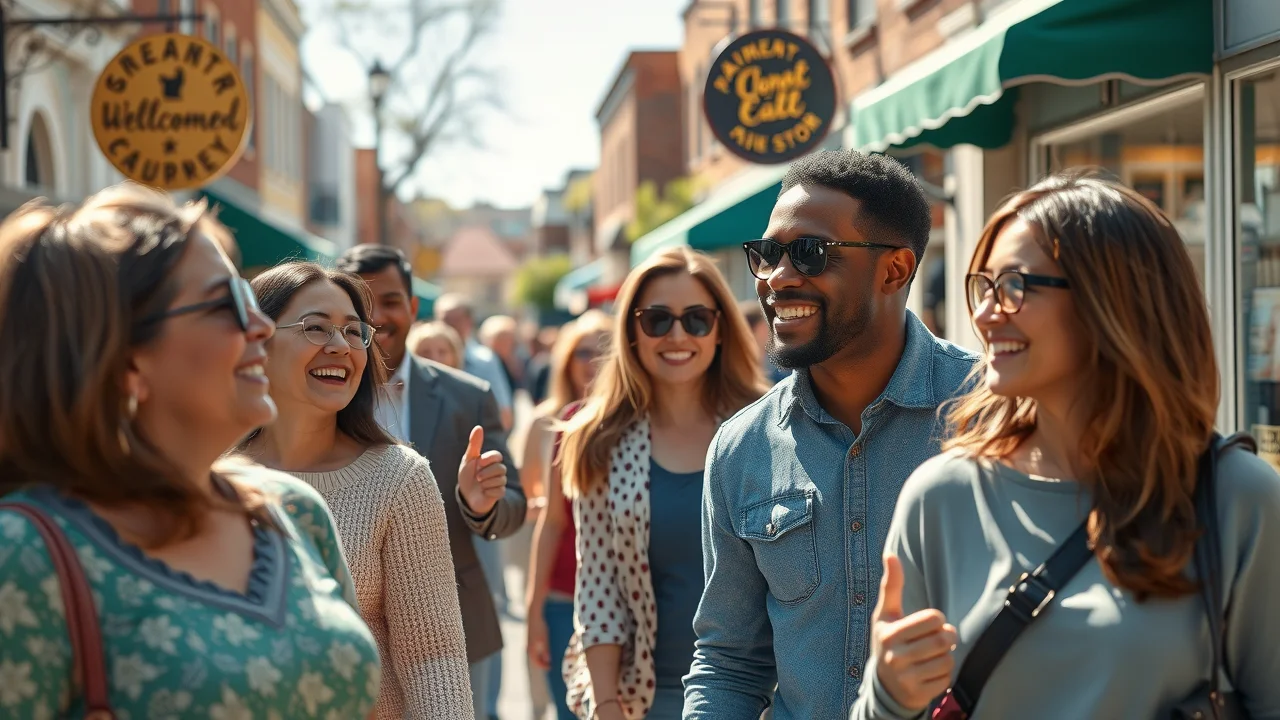
What You'll Learn About Brand Awareness in Local Markets
The definition and significance of brand awareness in local markets
How to build brand awareness using proven tactics
The role of social media, local influencers, and marketing campaigns
Actionable steps for increasing brand recognition and thought leadership locally
Examples and case studies of successful local brand awareness efforts
Understanding Brand Awareness in Local Markets
Defining Local Brand Awareness Versus National Brand Awareness
Local brand awareness refers to how well your brand is recognized and recalled within a specific region or community, as opposed to national brand awareness, which targets a broader audience across an entire country. For example, if your business operates in one city or a particular neighborhood, your main goal is to build a reputation and brand identity that resonates with the people living and working there. This means understanding local customs, preferences, and the subtle cultural nuances that influence purchasing decisions. By contrast, national brand awareness focuses on appealing to a much larger, often more diverse, population. This can dilute your message if you don’t tailor your approach for each market. Effective local building brand awareness considers traditions, events, and unique attributes of the area, making each connection more meaningful and memorable.

Why Building Brand Locally Outperforms Broad Campaigns
While large-scale marketing campaigns have their place, studies show that businesses often achieve a higher return on investment when they prioritize local brand building first. Engaged community members are more likely to become ambassadors for your company, sharing your products or services with their own circles both online and in-person. The power of word-of-mouth within a specific region is unmatched, especially when reinforced by authentic local connections and partnerships. In addition, focusing on local brand awareness enables you to adapt quickly to changes in the community and meet your target audience’s needs more precisely than any one-size-fits-all national campaign ever could.
“A strong local brand is the foundation of national brand success.”
How to Increase Brand Awareness Locally
Top Strategies to Build Brand Awareness in Local Markets
Building brand awareness in local markets requires considered planning and consistent effort, but the results are worth it. Start by collaborating with local influencers who have genuine trust and reach within your community. These partnerships can be leveraged to authentically promote your brand, as influencers share your message in a relatable voice. Social media is also a powerful tool—run localized campaigns that reflect community interests or highlight local culture, ensuring your content is as relevant and engaging as possible.
Engage with local influencers for authentic partnerships
Leverage social media campaigns tailored for community interests
Sponsor local events and support community initiatives
Network with thought leaders within your city or region
Support local events and initiatives, such as sponsoring community activities or local charity projects. This puts your brand in front of potential customers and creates a lasting positive impression. Additionally, seek opportunities to network with local business owners and thought leaders to broaden your reach within the region. Remember, consistency is key—maintain a steady presence with your messaging and adapt your approach based on feedback and results.
Imagine seeing real stories of local businesses lighting up their main streets with creative marketing. From dynamic social media blitzes showing happy customers at events to behind-the-scenes partnerships with beloved influencers, community-based campaigns spark genuine excitement. Watch this highlight reel of local events in action: social media moments, banners, collaborations, and interviews, all underscored by authentic testimonials that reveal how these brands went from unknown to unforgettable.
The Role of Social Media in Building Brand Awareness in Local Markets
Choosing the Right Social Platforms for Your Local Brand
Not every social media platform will be equally effective for your local brand’s goals. To increase brand awareness where it matters most, focus your efforts on platforms where your community is already active. For many local brands, this means prioritizing Facebook groups, Instagram stories, and even specialized local forums or apps—spaces where neighbors discuss their favorite local businesses and events in real time. By joining these conversations and sharing local news, promotions, or behind-the-scenes glimpses, you deepen your ties to your customer base and reinforce your relevance with your target audience. Consistently engaging with comments, reviews, and direct messages further personalizes your brand, moving you beyond just another business and into the role of a valued community member.

Examples of Effective Social Media Campaigns
Examples abound of local businesses using social media to ignite brand awareness. A bakery, for instance, might encourage residents to post photos with its treats under a unique hashtag, turning community members into brand ambassadors virtually overnight. Or a neighborhood gym could livestream workshops, opening its doors to a wider digital audience and showcasing real transformations in real time. These campaigns work because they bring the brand experience directly to consumers’ feeds, turning casual scrollers into engaged followers and, eventually, loyal customers.
Watch as local brands showcase their community spirit—snappy edits highlight everything from food tastings at neighborhood cafes to customer shoutouts and collaborative livestreams with influencers. Listen as business owners share how these creative social media campaigns have helped them grow their brand recognition and deepen ties with their local customer base.
Partnering with Local Influencers to Build Brand Recognition
Strategies for Collaborating with Local Influencers
Working with local influencers is a direct route to authentic engagement for building brand awareness. First, research community figures whose followers align with your target audience—think foodies, event organizers, or well-known neighborhood advocates. Approach partnerships as genuine collaborations: offer value, co-create content, and invite influencers to experience your products or services firsthand. Share stories or testimonials on both your channels and theirs, ensuring your message carries the unique perspectives and credibility that local voices provide. Remember to keep collaborations transparent and rooted in real connections, as today’s audiences can spot insincerity from a mile away.

Case Study: A Local Influencer Boosts Brand Awareness
Consider a homegrown coffee shop that teamed up with a beloved city influencer. By co-hosting a “meet and greet” at the café and sharing exclusive behind-the-scenes stories, the event attracted both online followers and new foot traffic. Within weeks, the coffee shop saw a dramatic spike in page followers and daily customers, proving how local influencers can amplify your message far beyond paid ads or generic promotions. With strategic partnerships, your local business can transform word-of-mouth into measurable growth.
Becoming a Thought Leader in Your Local Market
Building Thought Leadership for Brand Awareness
One way to build brand awareness is by establishing your business as a thought leader within your community. This can be achieved by offering insights at local events, publishing articles about your industry’s best practices, and actively supporting community initiatives. As your reputation for expertise and reliability grows, potential customers are more likely to turn to you when searching for trustworthy products or services. Thought leadership extends beyond traditional advertising campaigns—it’s about consistently providing value, being seen, and contributing to your city or region’s improvement.
How Thought Leaders Attract Potential Customers Locally
Thought leaders naturally attract potential customers by setting trends, leading conversations, and offering solutions to common community challenges. When local audiences see your business as a source of useful information—not just another company vying for attention—they are more inclined to remember your brand and recommend it to others. Hosting workshops, speaking at town hall meetings, or mentoring local entrepreneurs cements your status as a go-to resource, making sure your brand is top of mind when it matters most.

Executing High-Impact Marketing Campaigns for Local Brand Awareness
Planning a Successful Local Brand Awareness Marketing Campaign
Designing an effective marketing campaign for local brand awareness begins with understanding your audience and their preferences at a granular level. Survey your community, identify local events, tune into regional trends, and align your messaging with the interests of your specific region. Create campaigns that invite participation—think contests, co-branded giveaways, or partnerships with local organizations. Use local SEO to ensure your business appears prominently in online search results when potential customers look for related products or services nearby. The best campaigns are those that blend creativity with strategy, making your brand an indispensable part of local life.
Measuring the ROI of Your Marketing Campaigns
To maximize your investment, always monitor how well your marketing campaigns are performing. Key metrics might include the growth of your customer base, increases in website traffic from your area, engagement rates on social platforms, and actual foot traffic in-store. Use digital tools to track conversions from specific campaigns and calculate the ROI, adjusting your tactics based on what works. This iterative approach enables you to refine future efforts, ensuring each campaign becomes more effective at reaching and converting your target audience.
Table: Key Metrics for Tracking Brand Awareness in Local Markets
Metric |
Description |
How to Track |
|---|---|---|
Local Social Engagement |
Likes, shares, comments from community members on social media |
Platform analytics (Facebook, Instagram, Twitter) |
Web Traffic by Region |
Number of website visits from specific locations |
Google Analytics, location filters |
Event Attendance |
Number of attendees at sponsored or branded events |
Ticket sales, in-person headcounts |
Brand Mentions |
Times your brand is mentioned across online and local media |
Social listening tools, PR tracking |
Foot Traffic |
Increase in physical visitors to your location |
POS data, manual tracking, sensor technology |
Key Differences between Local and National Brand Awareness
Adapting Strategies for Local vs. National Markets
Local brand awareness campaigns succeed by embracing the unique characteristics, values, and rhythms of a community. In comparison, national brand awareness requires a broader message that appeals to a wide, often more diverse, demographic. When you adapt your strategy for local markets, you need to consider factors like dialect, local traditions, and even community history. Aligning your efforts with the rhythms and needs of a local audience strengthens relationships and builds lasting brand recognition. National strategies can inspire local ones, but real impact comes from personal, direct engagement that national messages can't deliver on their own.
Comparison Table: Local Brand Awareness vs National Brand Awareness
Local Brand Awareness |
National Brand Awareness |
|
|---|---|---|
Target Audience |
Specific region or community |
Nationwide, broad demographic |
Approach |
Personalized, community-focused |
Generalized, wide-reaching |
Influence Drivers |
Local influencers, community leaders |
Media, celebrities, national campaigns |
Key Channels |
Localized social media, events, regional press |
Mass media, digital ads, nationwide promotions |
Measurement |
Community engagement, local foot traffic |
Market share, national survey data |
Real-World Example: Brand Awareness in Local Market Marketing
Brand Success Story—Building Brand Awareness in a New Market
When a small bakery opened in a bustling town center, they focused on local partnerships and sponsored a series of community events. By collaborating with well-known local figures and creating an engaging social media contest, the bakery quickly became a familiar name in the neighborhood. Local press coverage and glowing online reviews fueled their momentum, proving that authentic connections drive sustainable growth. Within the first three months, the bakery saw not just a significant sales increase, but also the birth of a loyal customer base that continues to evangelize the brand to this day.

"Our business saw a 40% increase in foot traffic after launching targeted local campaigns."
Common Challenges in Building Brand Awareness in Local Markets
Understanding local consumer behavior
Consistency across local and national campaigns
Building trust with local audiences
Every market comes with its own challenges, from deciphering the true preferences of a target audience to ensuring consistency in brand messaging across both local and national campaigns. Building trust can also be particularly challenging when entering a new market, requiring extra diligence in authenticity, participation, and ongoing engagement. Each time you solve a specific challenge, you become more adept at connecting with community members and turning one-time buyers into lifelong brand advocates.
People Also Ask about Brand Awareness in Local Markets
How to increase brand awareness locally?
To increase brand awareness locally, focus on engaging in community events, partnering with local influencers, optimizing online presence for local search, and running targeted social media marketing campaigns that resonate with residents of your area.
What is the definition of local brand awareness?
Local brand awareness refers to the extent to which a brand is recognized and recalled by consumers within a specific geographic area or community. This means your business is top of mind when locals are ready to purchase products or services like yours.
What is an example of brand awareness in marketing?
An example of brand awareness in marketing is a small coffee shop sponsoring a local event, increasing neighborhood recognition and attracting new customers through visible participation and word-of-mouth.
How to build brand awareness in a new market?
Build brand awareness in a new market by conducting market research, establishing partnerships with local organizations, investing in location-specific advertising, and fostering relationships with local influencers and thought leaders.
Key Takeaways for Building Brand Awareness in Local Markets
Brand awareness in local markets hinges on community connection and authentic engagement.
Social media and influencers can amplify your message at a local level.
Thought leadership builds trust and credibility with potential customers.
Consistent measurement and adaptation drive long-term success.
FAQs: Maximizing Brand Awareness in Local Markets
What are the first steps to build brand awareness locally? Start by understanding your target audience, engaging in the community, building local partnerships, and optimizing for local search engine results.
How do marketing campaigns differ for local brands versus national brands? Local campaigns are more personalized and community-focused, while national campaigns use broader messaging and mass media channels.
Which social media channels work best for local brand awareness? Facebook, Instagram, and local forums/groups often deliver the best engagement for community-focused brands.
How often should local brands measure brand recognition metrics? Track recognition monthly or after each major campaign to ensure your marketing strategies are working and adjust as needed.
Boost Your Brand: Take the First Step Toward Greater Local Awareness Now
Start building brand awareness in your local markets today—engage your community, leverage local influencers, and track results for long-term growth!
To deepen your understanding of building brand awareness in local markets, consider exploring the following resources:
“9 Local Marketing Strategies to Boost Your Brand Awareness”: This article offers practical strategies for enhancing local brand visibility, including leveraging social media, engaging in community events, and optimizing local SEO. (blog.hubspot.com)
“6 Smart Ways to Increase Local Brand Awareness for Your Small Business”: This piece provides actionable tips such as utilizing offline visibility, hosting events, and encouraging social media engagement to strengthen your brand’s presence in the community. (personalizedcreative.com)
By implementing these strategies, you can effectively connect with your local audience and foster lasting brand recognition.




Write A Comment